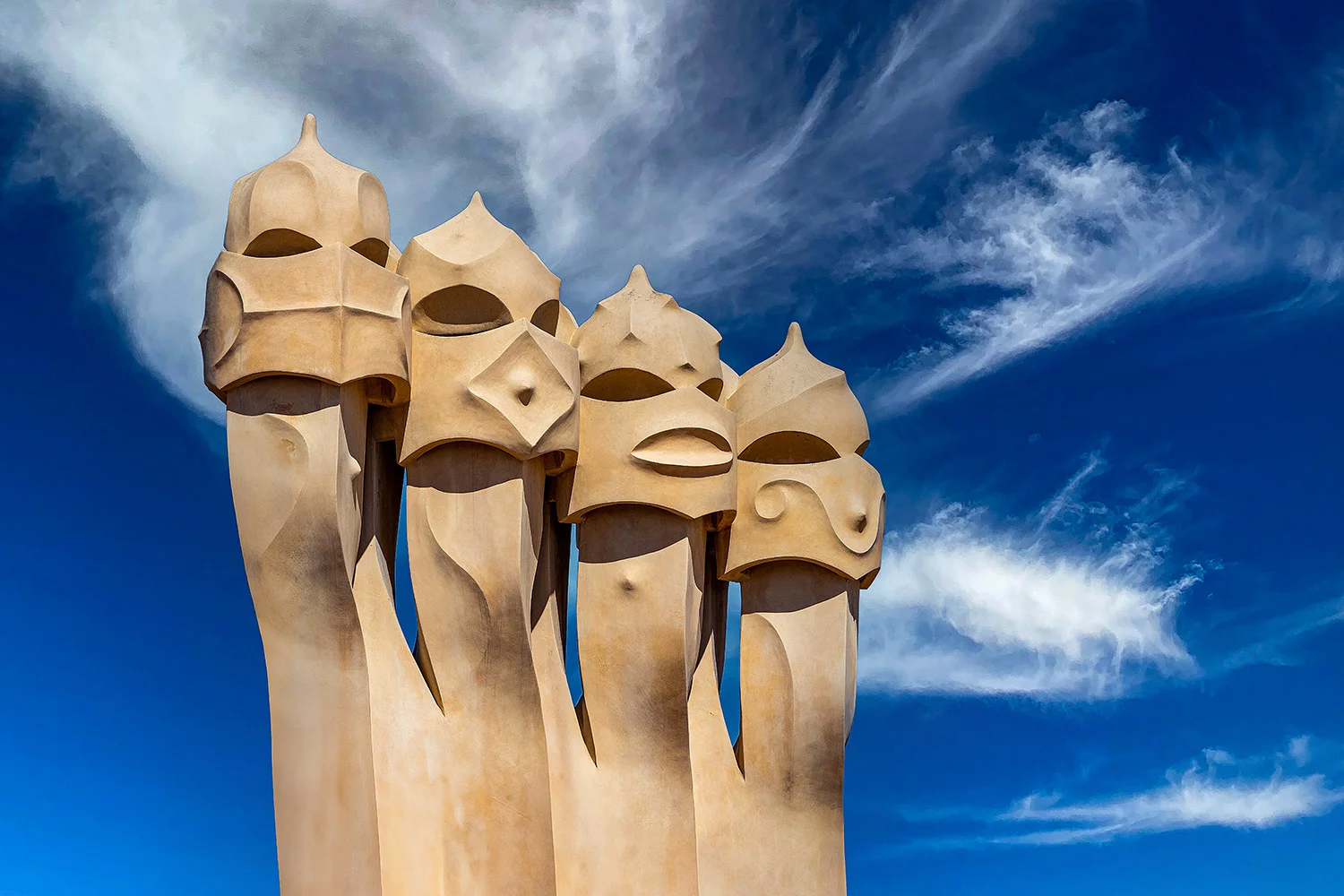
The air was warm and thick with the scents of the Mediterranean as the young Antoni Gaudí (1852-1926) wandered through the Catalan countryside as a child. His bones often ached with rheumatism, preventing him from playing with the other children. Instead, he immersed himself in nature, his eternal teacher. He studied how the wind bent the branches of the pine trees, how the sun danced through the foliage, and how the water in the streams splashed over pebbles. He understood that there were no straight lines in nature, only elegant curves and perfect geometries that were in harmony.
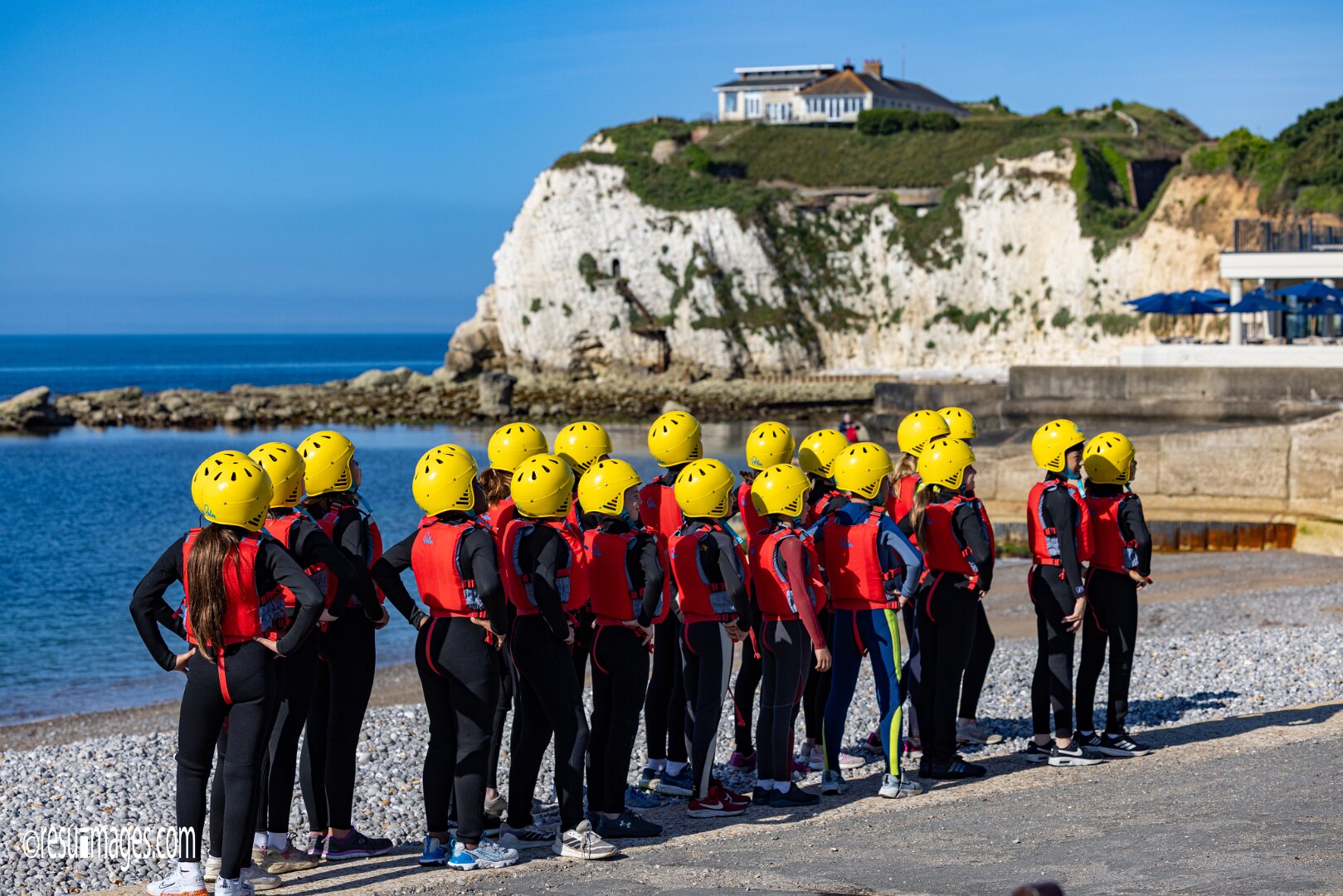
Freshwater Bay was not only a picturesque place during the Second World War, but also an important military zone. Its proximity to the French coast made the Isle of Wight a frontline area, and Freshwater Bay witnessed dramatic events. A boy named Peter, who lived with his grandparents, spent his days scanning the sky for aeroplanes. In 1941, on the day of the Battle of Britain, he and his friend saw a large number of German bombers on the horizon. A deep roar filled the air and the boys knew they were in danger. They ran for cover, but soon the familiar sound of British Spitfires and Hurricanes could be heard.
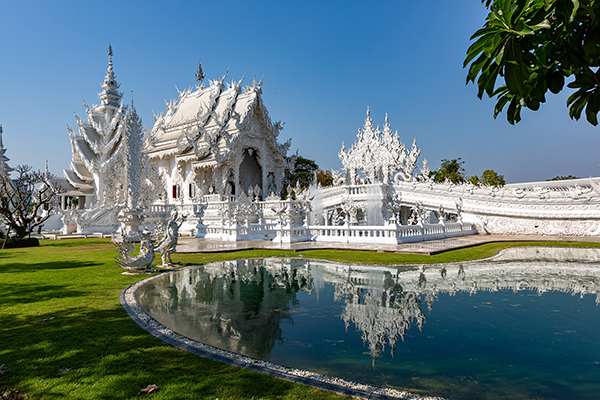
Just outside Chiang Rai in northern Thailand stands one of the most extraordinary religious buildings in Southeast Asia. At first glance, Wat Rong Khun appears almost unreal. Its brilliant white surfaces shimmer in the sunlight, mirrored mosaics sparkle like fragments of ice, and every detail seems designed to blur the line between architecture and imagination.
Unlike Thailand's ancient temples, Wat Rong Khun is a contemporary creation. The project was conceived by Thai artist Chalermchai Kositpipat, who set out to build more than a place of worship. His vision was to create a work of art that combines traditional Buddhist teachings with modern symbolism and personal artistic expression.
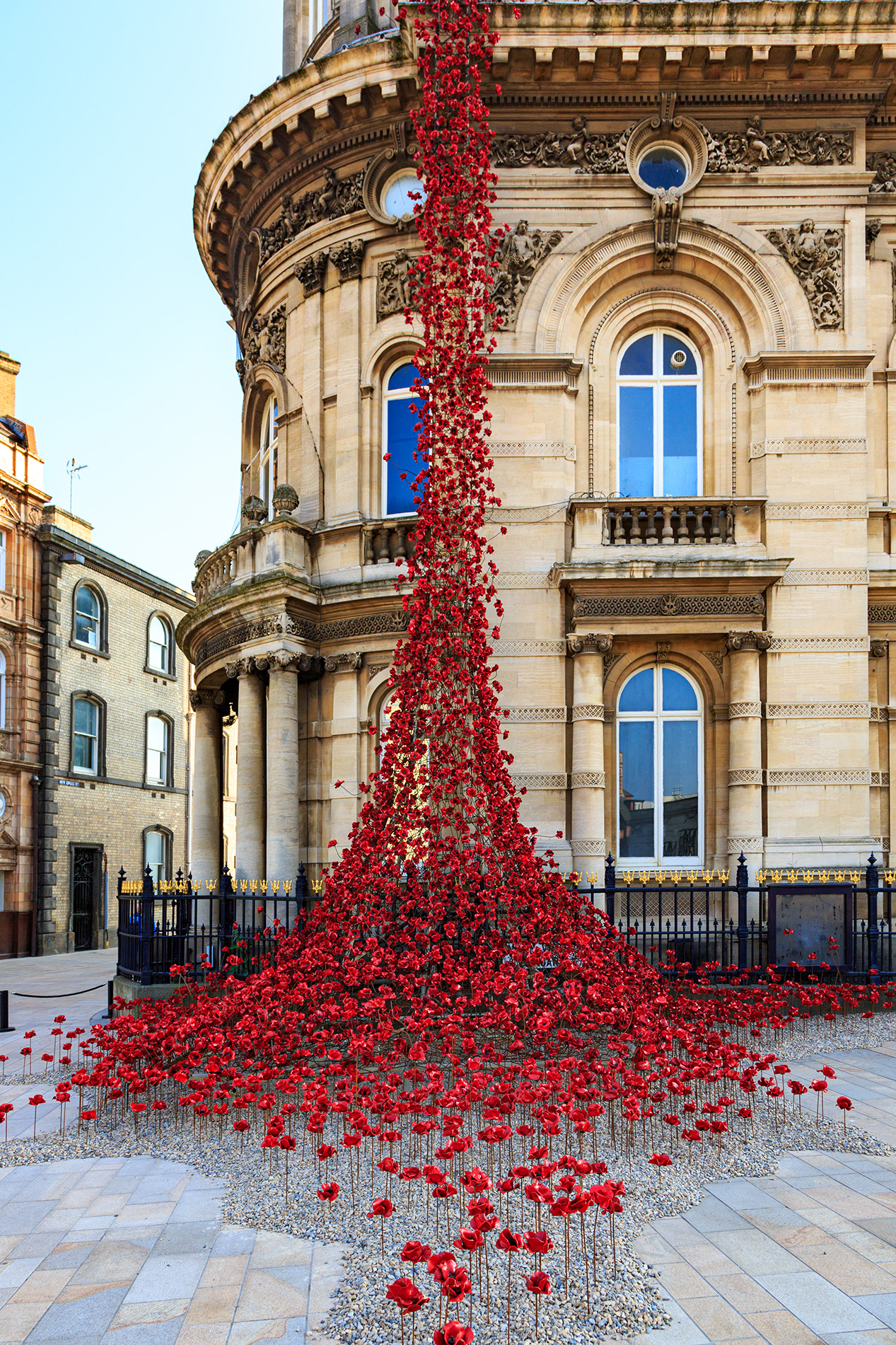
A sculpture of thousands of handmade ceramic poppies has been erected in Hull to commemorate the fallen of the First World War. "Weeping Window" was presented in the Maritime Museum as part of the Capital of Culture celebrations. The building in the city centre, the former Dock Offices, tells the story of Hull's seafarers. The location was chosen to highlight the sacrifices made by the Merchant Navy and the Royal Navy. The building in Queen Victoria Square witnessed many of the key events of the First World War in Hull. Weeping Window is part of the poppy installation Blood Swept Lands and Seas of Red, which was created to mark the centenary of the First World War and was originally on display at the Tower of London in 2014.
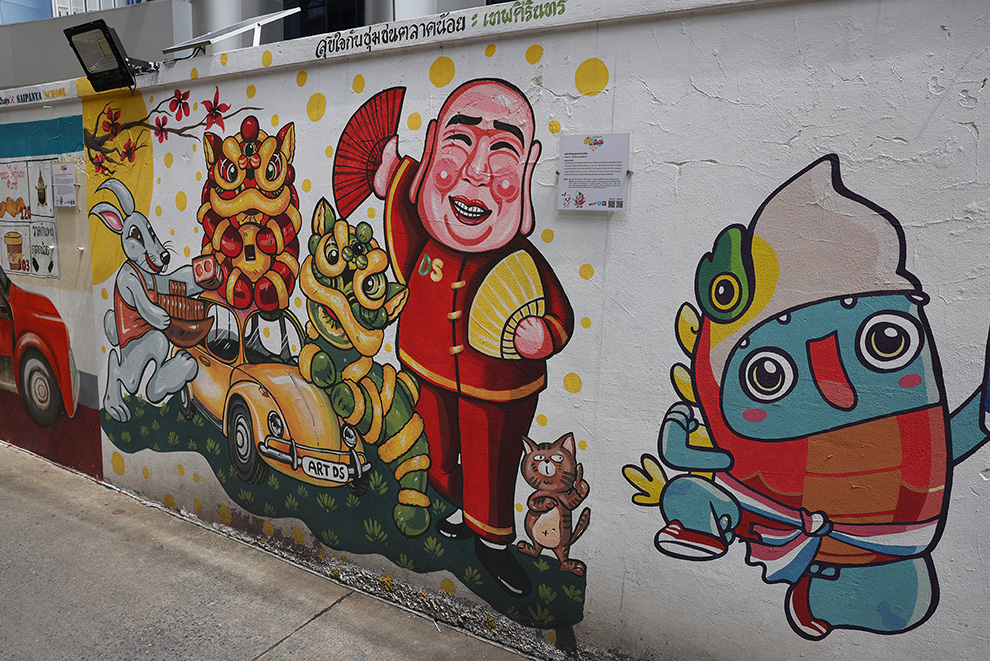
A few decades ago, street art was frowned upon in Bangkok. In the early 2000s, graffiti was considered vandalism and was rejected by the majority of the population. But the underground scene continued to flourish, and a small, dedicated group of local artists tried to gain recognition for the art form.
A turning point came with the Bukruk Urban Arts Festival. Inspired by European collaborative projects, the first festival in 2013 brought together Thai and international artists. In once-neglected neighbourhoods such as Charoen Krung and Ratchathewi, they created huge murals that transformed the city into an open-air gallery.
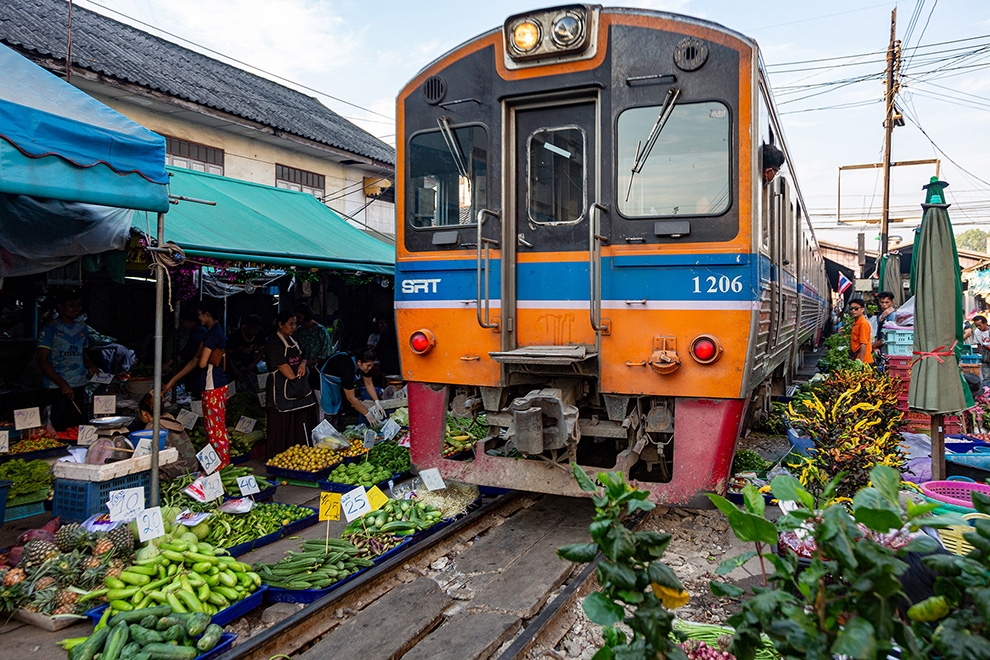
The train passes through the middle of the vegetable market in Mahachai. One gets the impression that the train will carry the vegetables on display. That's how close the tracks are to the stalls. The Mae Klong Market has been held at this exact spot for over 100 years, even before a railway line was laid through here. When the time came, the Thai traders were faced with the decision to move or stay? The traders decided to stay, and reached a rather unofficial agreement with the railway company. They "share" the tracks.
The world knows Doi Chang for its premium Arabica coffee. Behind its success lies the remarkable story of mountain communities in northern Thailand that transformed their future through sustainable farming. Once dependent on opium cultivation, farmers at elevations of around 1,200 metres now produce internationally recognised coffee, creating new opportunities for future generations and helping to restore the surrounding mountain environment.