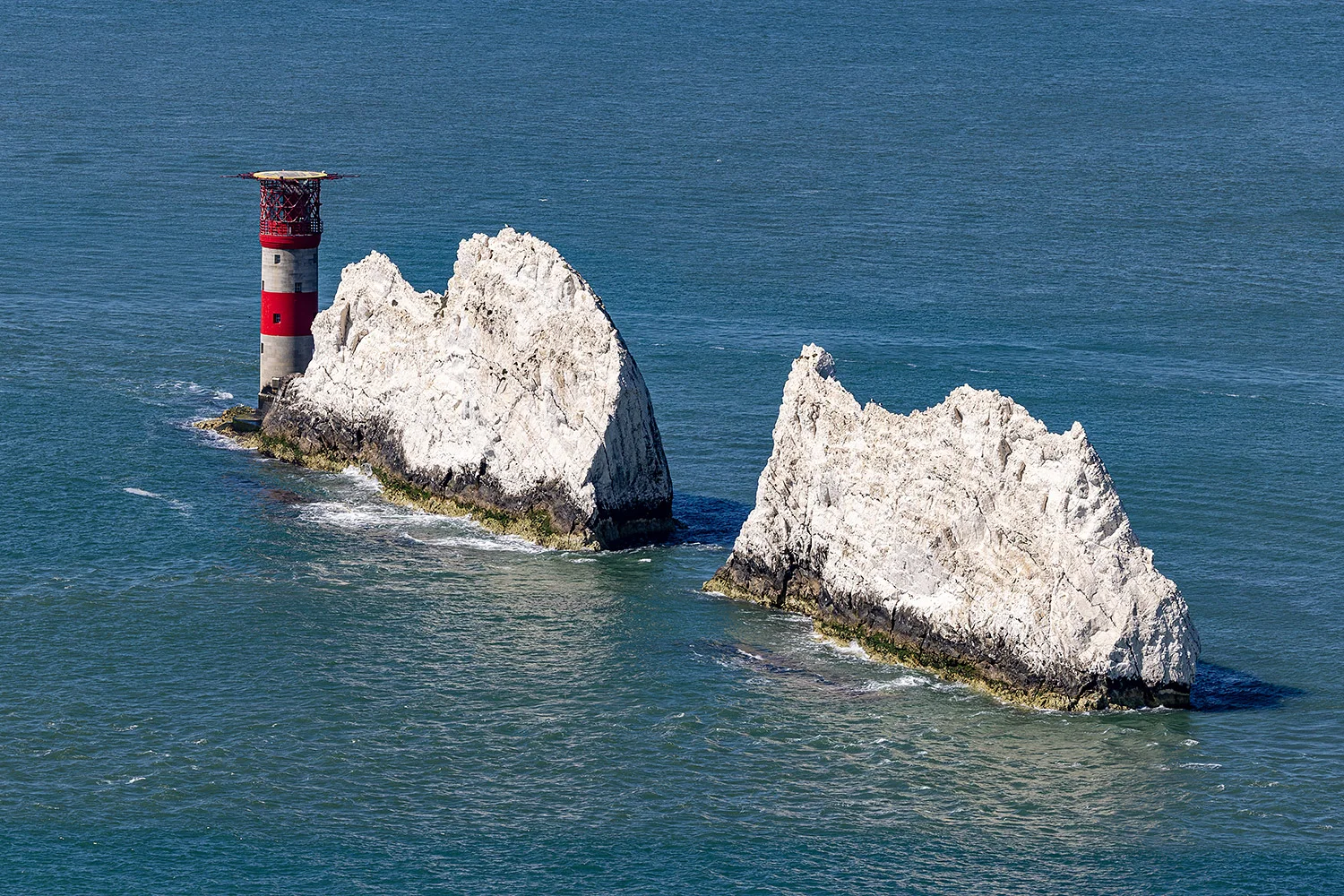
Western End, Isle of Wight
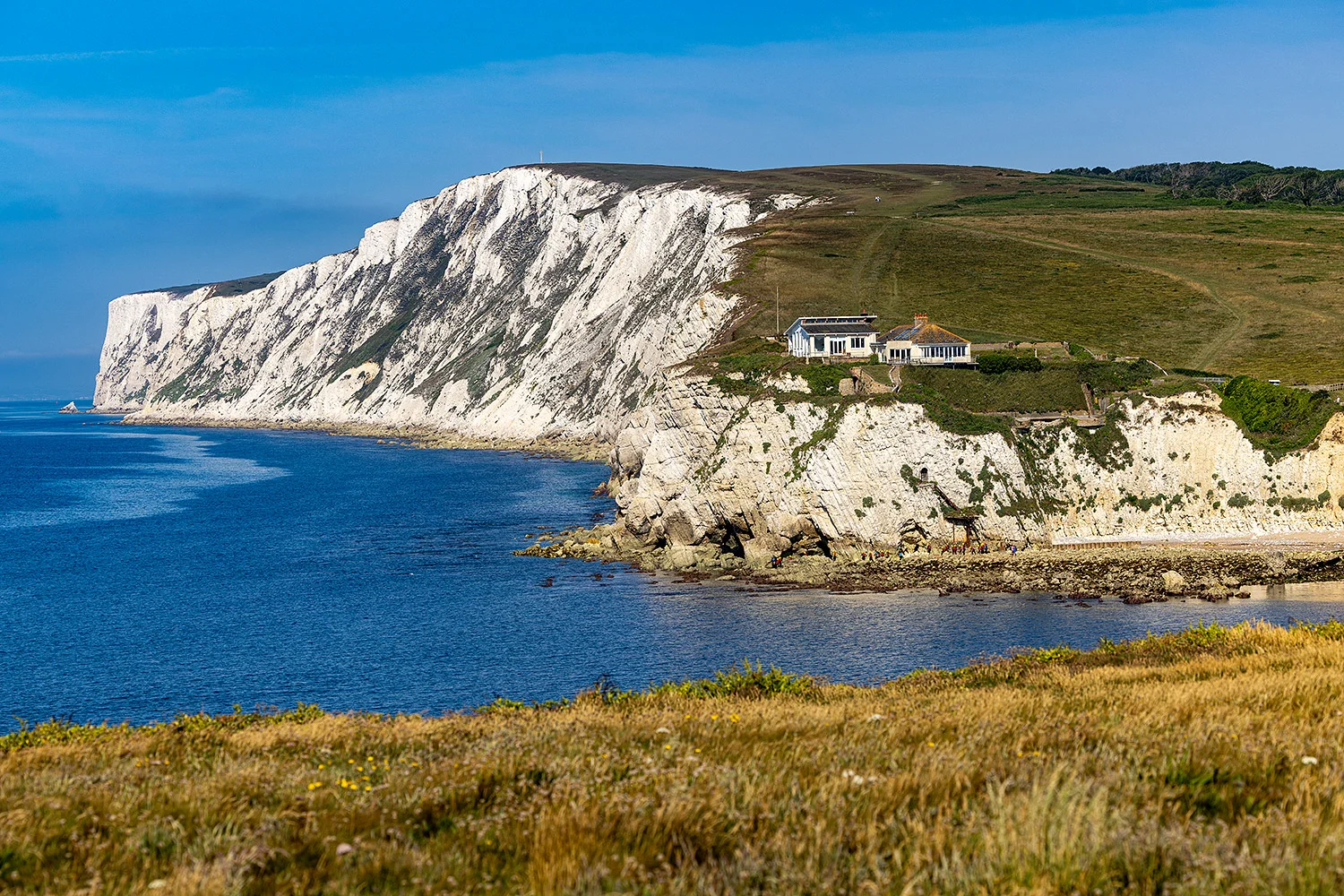
Freshwater Bay, Isle of Wight
The Battle of Britain (1940) was a pivotal World War II campaign where the British Royal Air Force successfully defended the United Kingdom against relentless attacks by Nazi Germany’s Luftwaffe. As the first major battle fought entirely in the air, Britain’s decisive victory prevented a German invasion and marked a crucial turning point in the war.
Freshwater Bay was not only a picturesque place during the Second World War, but also an important military zone. Its proximity to the French coast made the Isle of Wight a frontline area, and Freshwater Bay witnessed dramatic events.
A boy named Peter, who lived with his grandparents, spent his days scanning the sky for aeroplanes. In 1941, on the day of the Battle of Britain, he and his friend saw a large number of German bombers on the horizon. A deep roar filled the air and the boys knew they were in danger. They ran for cover, but soon the familiar sound of British Spitfires and Hurricanes could be heard. The British pilots surrounded the enemy aircraft and eventually drove them away over the English Channel.
Peter later described the sight as extraordinary and unforgettable. The area around Freshwater was frequently the scene of dogfights. Many aircraft crashed, some of them in the fields near Farringford Farm and on the Tennyson Downs. To prevent enemy aircraft from landing, soldiers had dug long trenches in the Downs. Peter also saw pilots who were able to parachute out of their crashing planes. Sometimes British airmen were shot at by the Germans as they floated to the ground.
Freshwater Bay also witnessed tragedy at sea. In April 1943, two Royal Navy landing craft sank here during a severe storm. Many sailors and Royal Marines drowned in the rough seas. The history of Freshwater Bay during the Second World War is not only about military decisions, but also about the experiences of ordinary people who lived through the horrors of war.