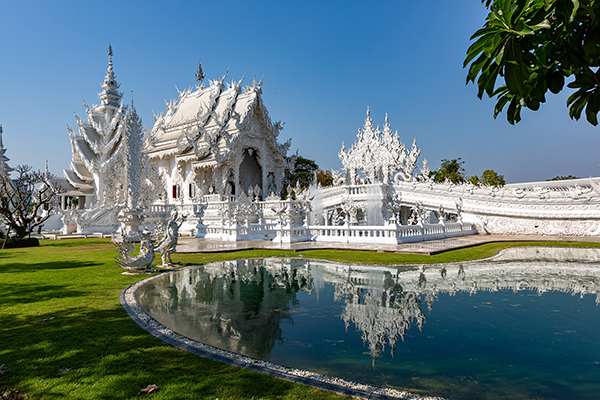
White Temple, Chiang Rai
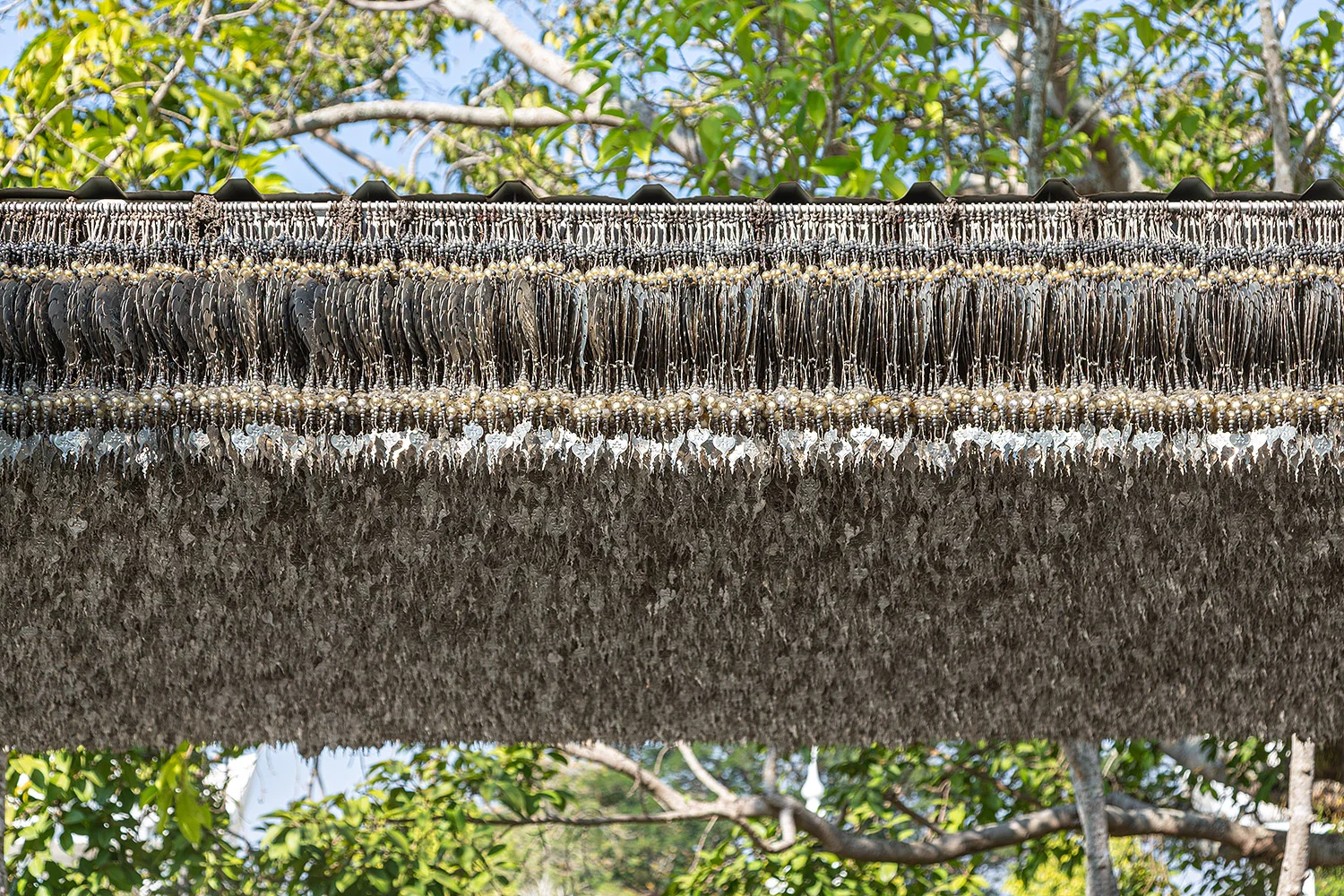
White Temple, Chiang Rai
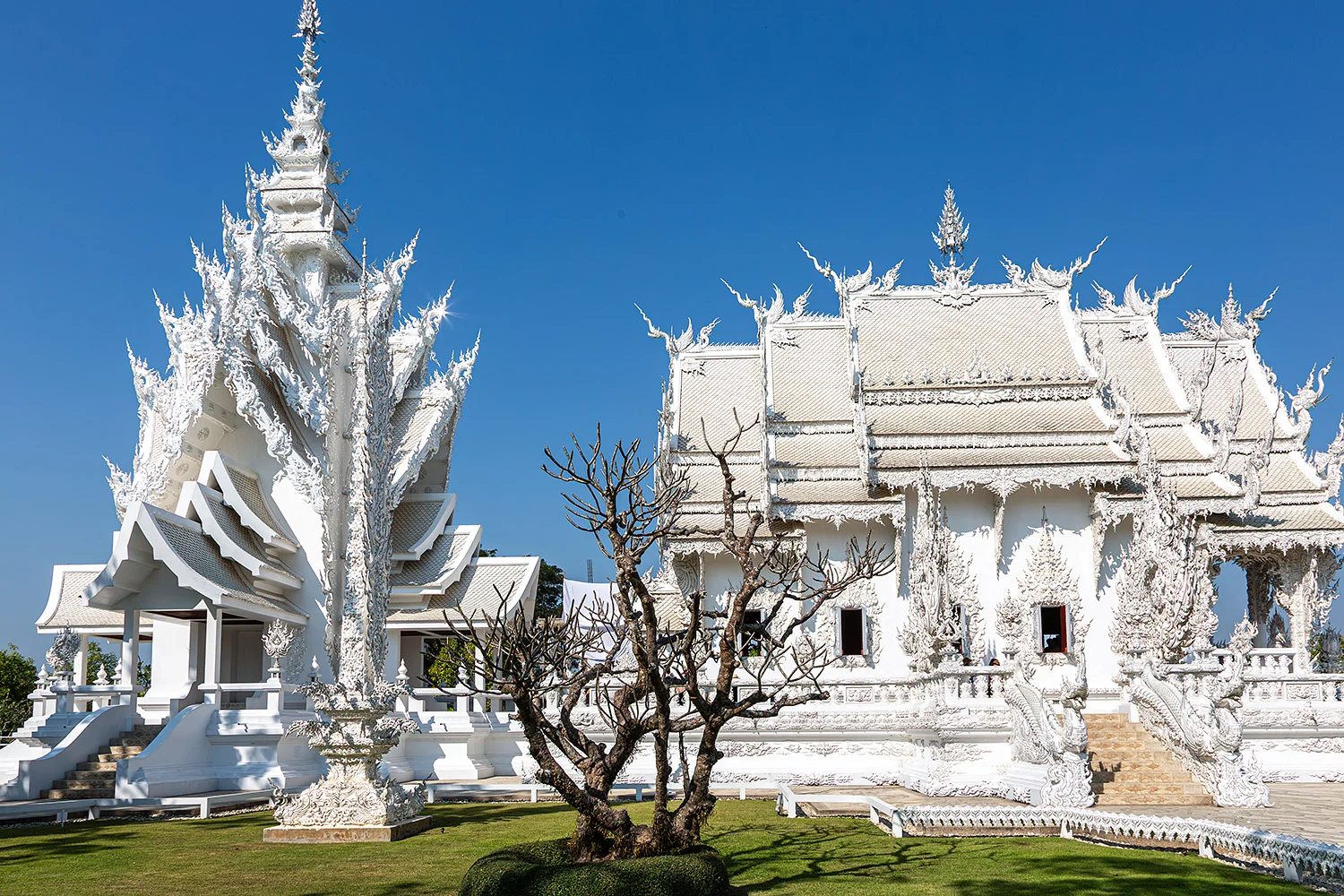
Wat Rong Khun was designed by Thai artist Chalermchai Kositpipat and opened in 1997. Unlike traditional Thai temples, the White Temple combines Buddhist symbolism with contemporary artistic expression, creating one of Thailand's most remarkable cultural landmarks.
Just outside Chiang Rai in northern Thailand stands one of the most extraordinary religious buildings in Southeast Asia. At first glance, Wat Rong Khun appears almost unreal. Its brilliant white surfaces shimmer in the sunlight, mirrored mosaics sparkle like fragments of ice, and every detail seems designed to blur the line between architecture and imagination.
Unlike Thailand's ancient temples, Wat Rong Khun is a contemporary creation. The project was conceived by Thai artist Chalermchai Kositpipat, who set out to build more than a place of worship. His vision was to create a work of art that combines traditional Buddhist teachings with modern symbolism and personal artistic expression.
Construction began in 1997 and continues to this day. Kositpipat deliberately chose to finance much of the project himself and through public donations rather than relying on major sponsors. This allowed him to maintain complete artistic control and pursue his vision without compromise.
Visitors enter the temple by crossing a bridge that symbolises the passage from worldly desire to spiritual enlightenment. Along the way, unexpected details appear beside traditional Buddhist imagery. Elements of contemporary culture mingle with ancient religious symbolism, creating a space that feels both familiar and surprisingly modern.
Today, Wat Rong Khun has become one of northern Thailand's most visited landmarks. More than a temple, it is a living work of art that continues to evolve, inviting visitors to reflect on faith, creativity and the enduring power of imagination.